カテゴリー
Analysis of the evolution of bulletproof vests and revolutionary material applications
Explore the evolution of bulletproof vests from ancient armor to modern-day high-tech protection. Learn about revolutionary materials like Kevlar, ceramics, metals, and UHMWPE, and how they shape today’s body armor for optimal defense and lightweight performance.
Jun 12th,2025
1056 ビュー
Analysis of the evolution of bulletproof vests and revolutionary material applications
1. Definition and basic composition of bulletproof vests
Bulletproof vests, also known as bulletproof vests, are mainly composed of bulletproof layers and jackets, which absorb and dissipate the kinetic energy of bullets and protect the human body.
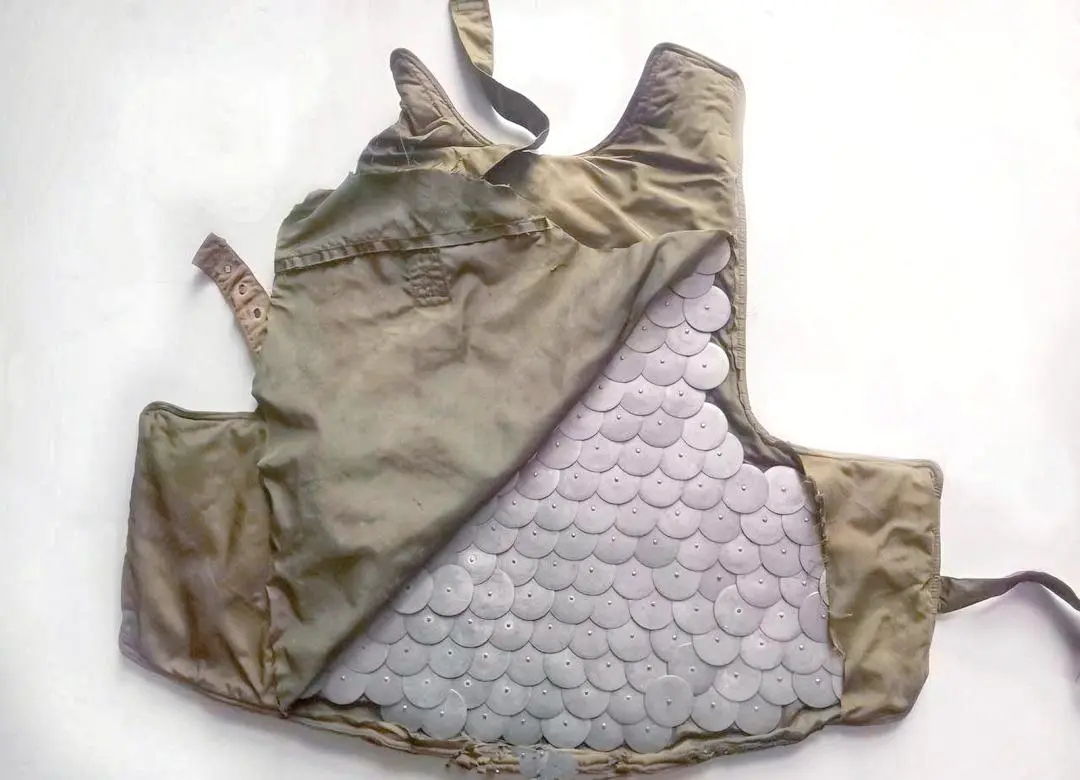
The bulletproof layer and jacket design of scale armor bulletproof vests are unique. This kind of clothing usually consists of two parts: one is the bulletproof layer, which is usually made of metal, ceramic or fiber materials and is the soul of the bulletproof vest; the other is the jacket, which is mostly made of chemical fiber or wool and cotton materials, designed to protect the bulletproof layer and improve the comfort of wearing. In addition, some advanced styles will also add a buffer layer to further reduce the risk of non-penetrating injuries (blunt injuries).
The development of ancient and early bulletproof vests
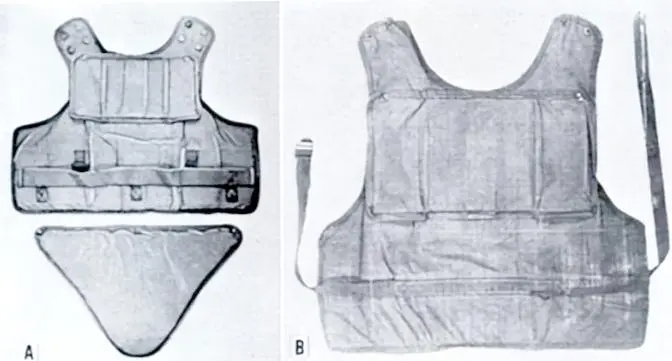
Looking back on the development of bulletproof vests, we can find that it originated from ancient armor and has evolved with the progress of the times. Bulletproof vests originated from ancient armor. The Sn-42 bulletproof breastplate during World War II is its typical representative, and gradually developed towards lightweight. For example, the famous Sn-42 bulletproof breastplate during World War II was made of forged steel plates about 2 mm thick, weighing 3.5 kg, and could resist 9 mm bullets fired by MP40 at a distance of 100 to 125 meters. Although this early bulletproof vest was heavy, it laid the foundation for the birth of later lightweight bulletproof vests.
However, the portability of this metal breastplate was really poor, and it was undoubtedly a very challenging task for soldiers to wear it to charge in open areas. In addition, facing the full-power rifle bullets widely used at the time, the protective effect of this bulletproof vest seemed to be stretched. To further improve its defense, it may exceed the soldiers' tolerance.
From the data in the table below, it can be seen that PPS film has excellent heat resistance, especially under high humidity and high stress conditions. Its tensile strength and modulus are comparable to PET, but it can still maintain high mechanical properties at low temperatures (liquid nitrogen temperature, i.e. -196°C), and has sufficient deflection, which can be used as an insulating material related to superconductivity. In addition, PPS film also has high-frequency electrical properties, the dielectric constant is extremely stable over a wide range of temperature and frequency, and the dielectric loss tangent is small enough to rival PP.
Technological progress in modern bulletproof vests
At the end of World War II, the military began to equip vests with built-in bulletproof metal plates, such as the M12 anti-fragmentation vests used by the US military. This bulletproof vest cleverly combines metal plates with nylon materials, which can effectively protect key parts and ensure the freedom of movement of soldiers.
In the 1960s, advances in materials science promoted the development of soft bulletproof vests, thanks to the birth of aramid fiber Kevlar. This fiber not only has outstanding strength and excellent toughness, but also has the characteristics of foldability and lightweight. At the same level of protection, its weight can even be reduced to half of traditional bulletproof materials. Kevlar has shown excellent defense against fragments and pistol bullets, but it still seems powerless when facing direct rifle fire. Therefore, later designs of bulletproof vests incorporated metal or ceramic bulletproof inserts into the fiber interlayer to strengthen the protection of the core area of the body. This design is still widely used today.
With the continuous progress of materials science and military technology, the development of bulletproof vests has also ushered in a new chapter, and many innovative materials have been gradually applied in practice. For example, bulletproof vests using liquid bulletproof materials, whose unique liquid can quickly thicken and harden when hit by bullets, can effectively resist bullet penetration.
2. Characteristics and Application of Bulletproof Materials
Application of Metal Materials in Bulletproof Vests
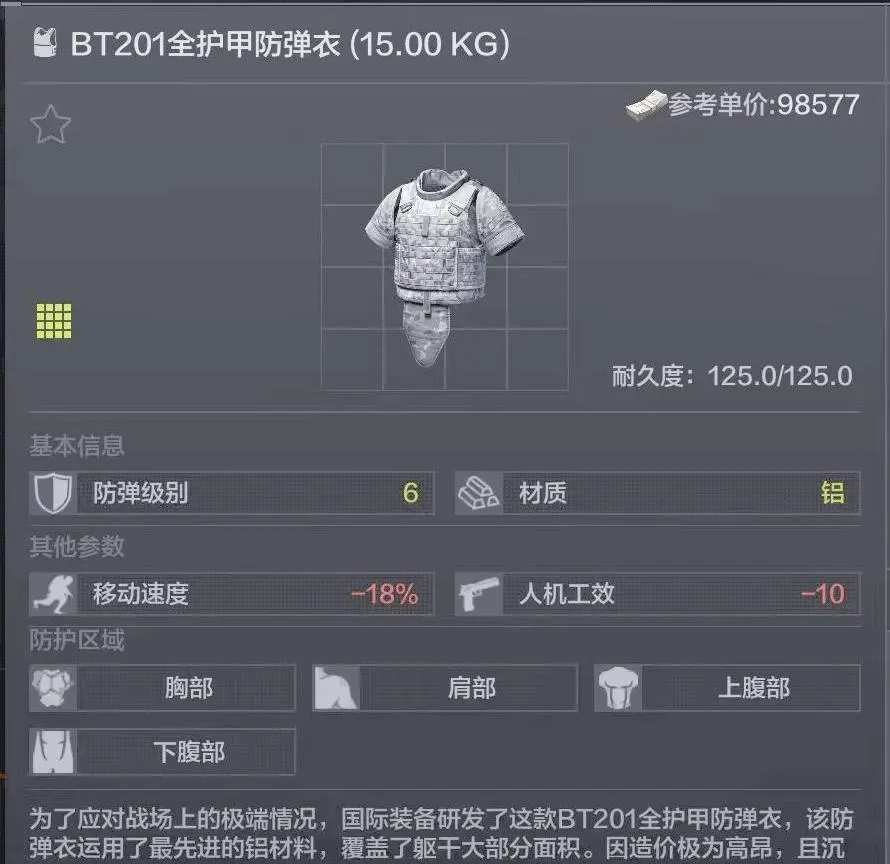
Metal materials are widely used in the production of bulletproof vests due to their high hardness, such as titanium alloys, aluminum alloys and special steels, which mainly rely on their high hardness to resist bullet attacks. In the development history of bulletproof vests, metal materials were once made of a whole steel plate, but now more bulletproof inserts are used, which are sewn on the front and back of bulletproof vests to enhance the protection of key parts.
Application of ceramic materials in bulletproof vests
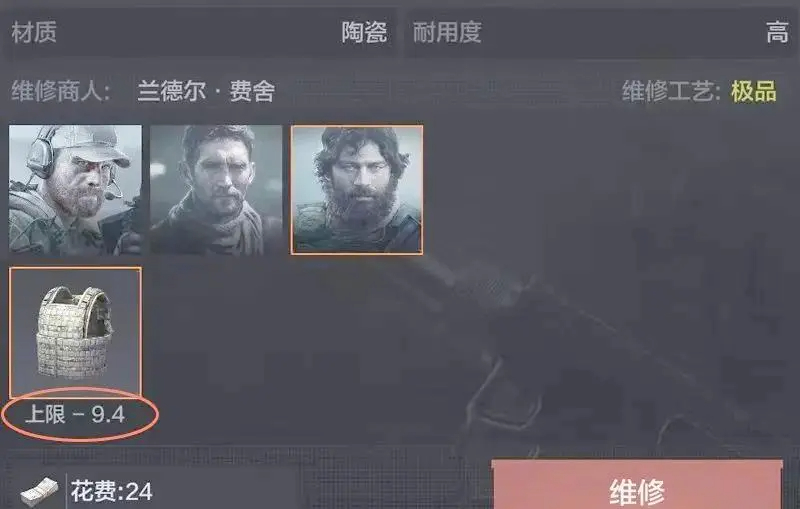
Ceramic materials are hard, light, but brittle, and provide excellent kinetic energy consumption capabilities. For example, ceramic materials such as corundum, boron carbide, silicon carbide and aluminum oxide can shatter bullets in instant contact with bullets, effectively consuming their kinetic energy. Compared with metal materials, ceramic materials are lighter, providing the wearer with a lightweight protection experience. However, its fragility also means that after being hit by bullets many times, the inserts may crack, which will affect the protective effect or even completely lose the protective ability. This is also the challenge of ceramic bulletproof vests in terms of durability.
Application of fiber materials in bulletproof vests
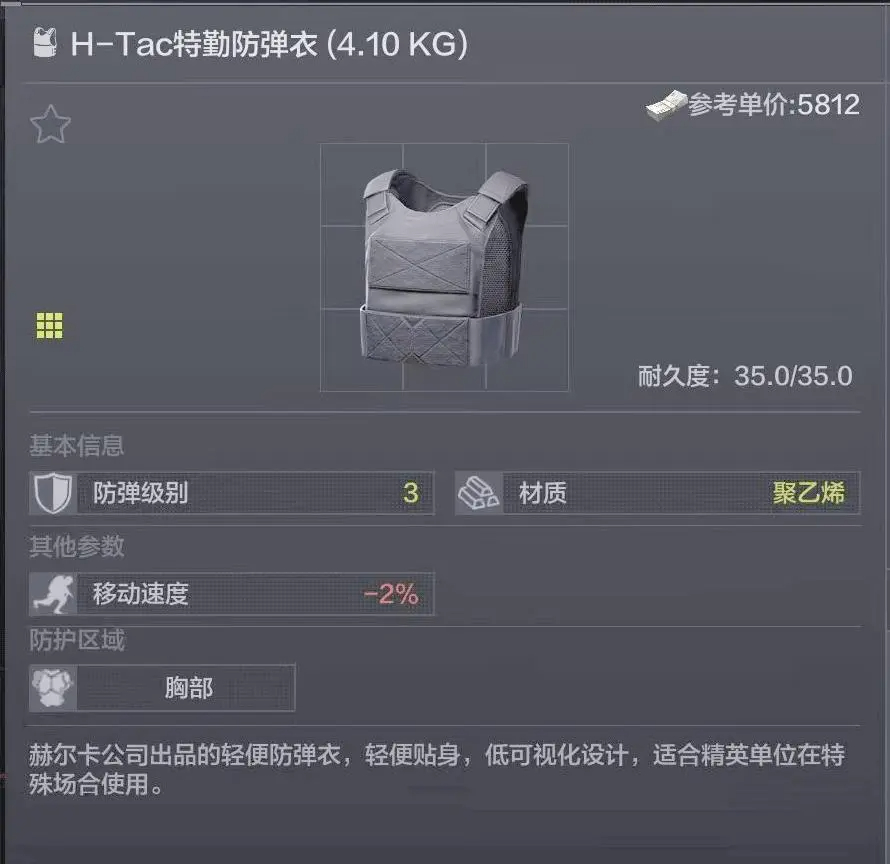
Aramid and polyethylene fibers have the characteristics of high strength and light weight, and are widely used in modern bulletproof vests. Kevlar, the leader among aramids, has been favored for its excellent performance since its birth in the 1960s. This material not only has low density and high strength, but is also resistant to high temperatures and easy to process. Its strength is 5 times that of steel. Polyethylene fiber, especially ultra-high molecular weight polyethylene fiber (UHMWPE), stands out with its high strength, high modulus, and low density. In addition, it can effectively absorb kinetic energy and show good resistance to environmental factors such as wear, low temperature, ultraviolet rays, strong acids and alkalis. Therefore, the application of this fiber in the field of bulletproof is becoming more and more extensive.
Entering the 21st century, further breakthroughs in materials science and the continuous pursuit of the protective ability of bulletproof vests have brought new vitality to this magical clothing. Whether it is the original intention evolved from ancient armor or the new capabilities given by modern technology, bulletproof vests have always been an important equipment to protect the brave.


